


Dubai Off-Plan Property Buyer Guide: How It Works (2026)
Everything you need to know before buying off-plan in Dubai: checking the developer, SPA, Oqood, escrow, payment plans, resale before completion and handover.
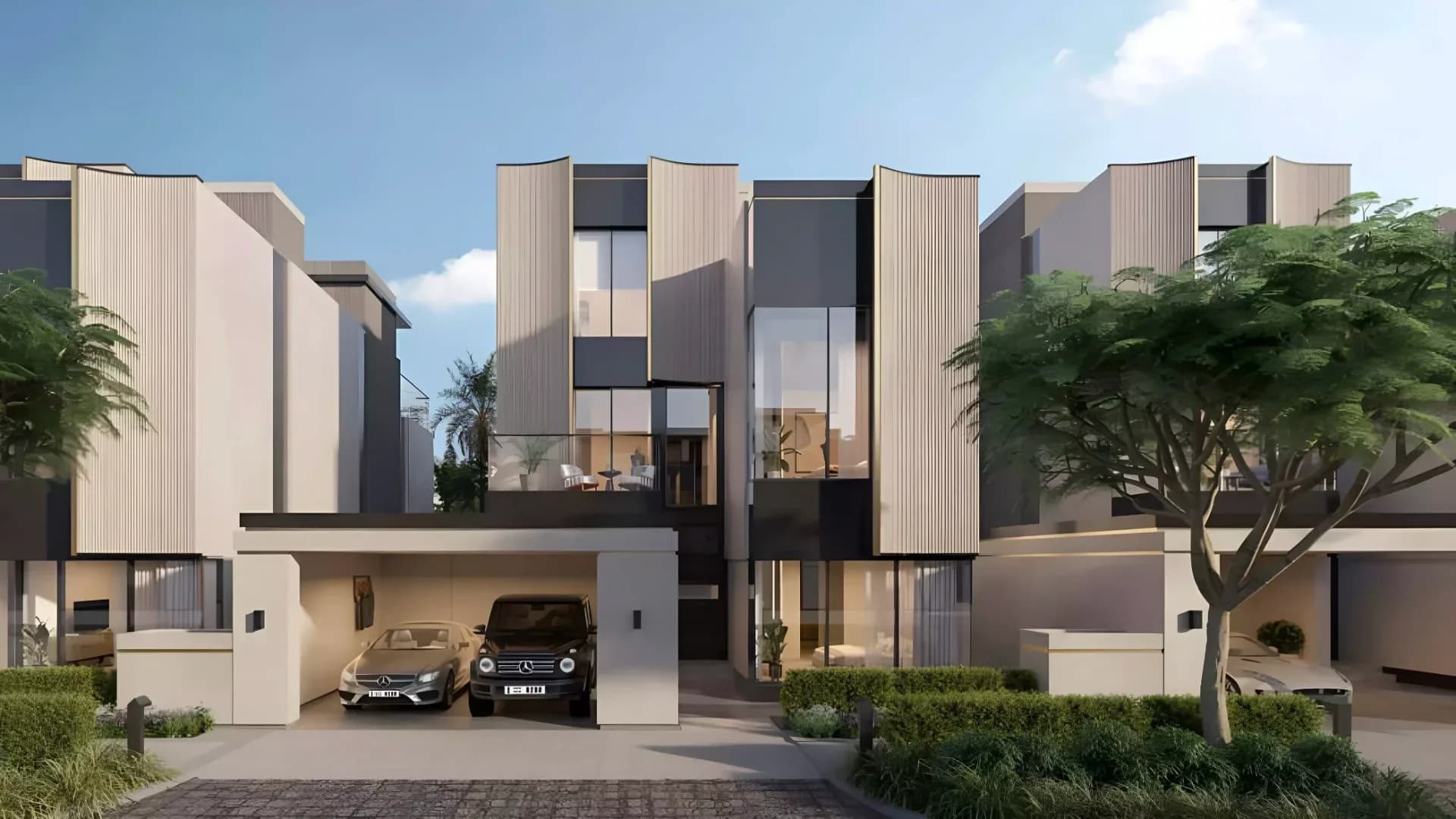
Off-plan property means buying a home before it has been built, or while it is still under construction. In Dubai, it makes up a large share of all sales. Buyers like the lower entry prices, flexible payment plans and the chance of capital growth by handover.
Off-plan also carries risks that ready property doesn't: construction delays, changes to the finished product, and money committed years before you can live in or rent the unit. This guide explains how off-plan buying works in Dubai and how to protect yourself at each stage.
Why buy off-plan in Dubai?
Lower upfront cost: you typically start with a 10–20% down payment instead of the full price.
Payment plans: you pay in stages during construction, and some developers offer post-handover plans spread over several years.
Launch pricing: early buyers often get better prices and a better choice of units.
Brand-new property: modern layouts and amenities, with a developer warranty when you take handover.
Potential growth: in growing communities, values may rise between launch and completion. This is not guaranteed.
Step 1: Check the developer and the project
This is the most important step. Before paying anything:
Confirm the developer is registered with RERA and the Dubai Land Department.
Check the project is registered and has its own escrow account. You can check project status and progress through the DLD's Dubai REST app.
Look at the developer's track record: past projects, on-time delivery and finishing quality. Visit completed communities if you can.
Check construction progress on projects that are already under way.
We cover this in more detail in Is Off-Plan Property in Dubai Safe?
Step 2: Reservation and the Sales and Purchase Agreement (SPA)
Once you pick a unit, you'll usually pay a booking amount and sign a reservation form. The developer then issues the Sales and Purchase Agreement (SPA). Read it carefully for:
The exact unit, size and specifications, plus how much the final size is allowed to vary
The payment schedule and what triggers each instalment
The expected completion date and grace period
What happens if the developer is late, or if you miss a payment
Rules and fees for reselling (assigning) the unit before completion
Step 3: Oqood registration
Oqood is the DLD's register for off-plan sales. Registering your purchase on Oqood records your interest in the unit officially. It works as an interim title until the final title deed is issued at completion. The 4% DLD fee is normally paid at this stage. Always make sure your purchase is registered on Oqood.
Step 4: Escrow protection
Under Dubai law, buyer payments for off-plan projects must go into a project escrow account held by an approved bank. Developers can only draw on these funds as construction milestones are certified. Always pay into the escrow account named in your SPA, never into a personal account or a company's general account.
Step 5: Understand your payment plan
Common structures include:
During construction: e.g. 60/40, where 60% is paid during construction and 40% at handover
Low down payment plans: such as 20:80, where a small amount is paid during construction and most of the balance at handover
Post-handover plans: part of the price is paid in instalments after you receive the keys
If you plan to use a mortgage for the handover payment, check early that you'll qualify. Banks will value the finished unit, and the loan they offer may be less than you expect.
Step 6: Selling before completion
Many investors resell an off-plan unit before handover (an "assignment"). Developers usually require that a set share of the price (often 30–40%) has been paid before they allow resale. They also charge an admin or transfer fee. Check your SPA so you know the rules before you buy.
Step 7: Delays, snagging and handover
Delays: SPAs usually include a grace period. Know your rights if completion slips beyond it.
Completion notice: the developer notifies you, and you pay the final instalment plus any service charges and fees due.
Snagging: inspect the unit before accepting the keys. A professional snagging company can list defects for the developer to fix.
Title deed: after handover and final payment, your Oqood registration is converted into a full title deed.
Find the right off-plan project with Keys & Numbers
As an authorised channel partner for leading Dubai developers, we help you compare projects, payment plans and developer track records side by side. Explore our off-plan projects or book a consultation with an advisor.
This guide is general information, not legal or financial advice. Fees and regulations can change, so always confirm current requirements with DLD, RERA or a qualified advisor.
Related posts

Tips & Guides
Dubai Property Owner Guide: Sell, Rent, Value or Manage (2026)
Own property in Dubai? Here's how to value it, decide whether to sell or rent, and what each route involves, from Form A to Ejari to property management.
17 October 2026
Tips & Guides
Dubai Property Buyer Guide: The Complete Purchase Process (2026)
A step-by-step guide to buying property in Dubai, from budget and mortgage pre-approval to Form F, due diligence, DLD transfer and getting your keys.
17 October 2026

Tips & Guides
Dubai Property Investment Guide: Yields, Areas and Strategy (2026)
Why investors choose Dubai, how to calculate rental yield and ROI, and how to pick the right area, property type and rental strategy for your goals.
17 October 2026